
The Impact of Clothing Waste on Rural Communities
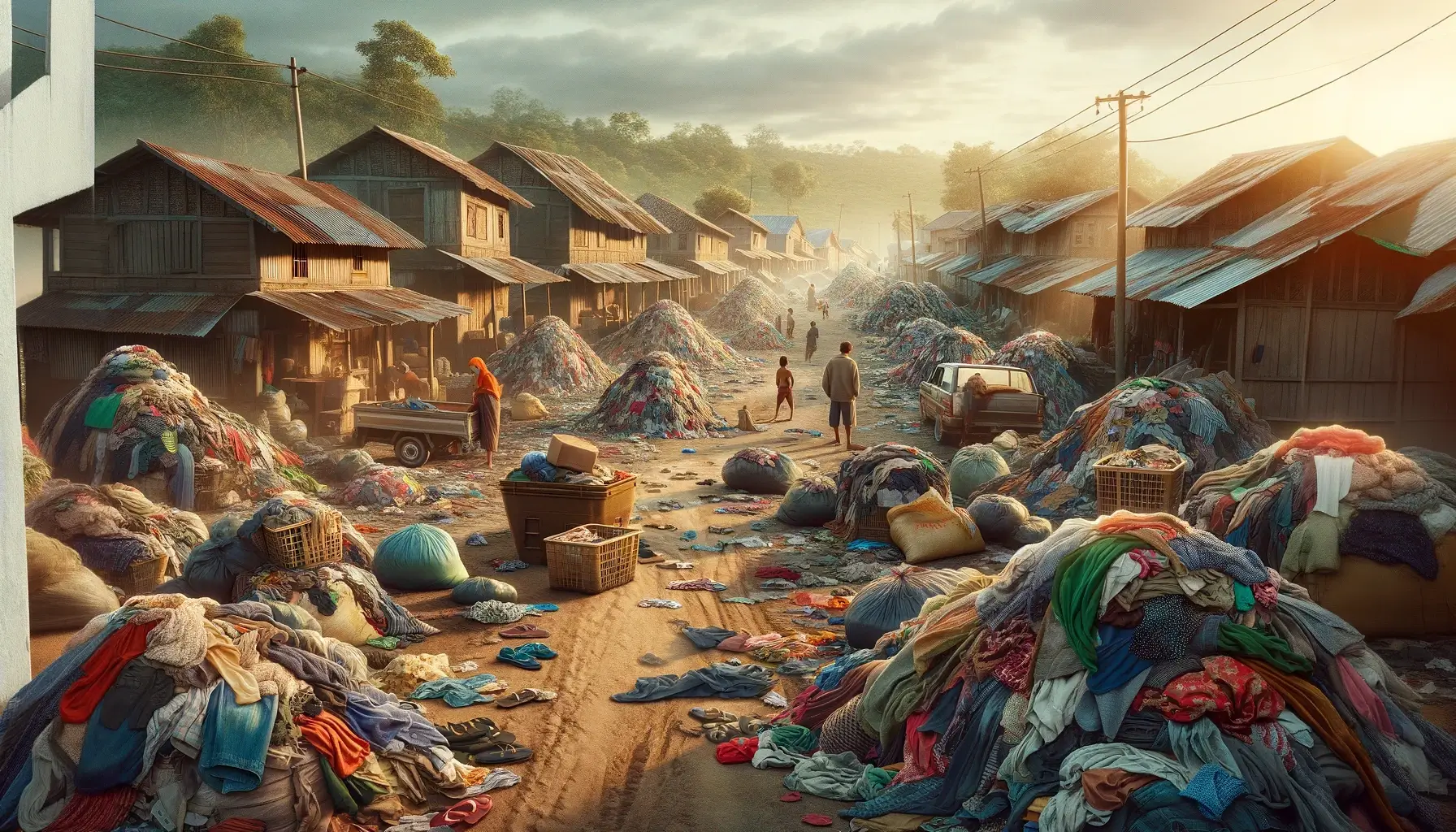
The growing issue of clothing waste is not just an environmental concern but a social and economic one as well. Rural communities, often the recipients of discarded clothing from more affluent areas, face unique challenges that exacerbate their vulnerabilities. Here are seven critical reasons why clothing waste poses a significant danger to these communities.
7 Reasons Why Clothing Waste is Dangerous for Rural Communities
Environmental Degradation
- Piles of discarded clothing contribute to soil contamination and water pollution. Synthetic fibres and dyes can leach harmful chemicals into the ground and water sources, disrupting local ecosystems and agricultural activities.
Health Risks
- Accumulated clothing waste can become a breeding ground for pests and diseases. Stagnant water trapped in discarded clothes can attract mosquitoes, increasing the risk of vector-borne diseases like malaria and dengue fever.
Economic Strain
- Managing and disposing of large quantities of clothing waste imposes financial burdens on already resource-limited rural communities. Funds that could be used for essential services like education and healthcare are diverted to waste management.
Social Stigma and Psychological Impact
- The presence of massive clothing dumps can lead to a sense of neglect and abandonment among community members. This can result in social stigma and lower community morale, affecting mental health and social cohesion.
Loss of Agricultural Land
- When large areas are covered with clothing waste, it reduces the amount of arable land available for farming. This impacts food production and the livelihoods of families who depend on agriculture.
Climate Change Contribution
- Decomposing clothing waste emits greenhouse gases such as methane, contributing to climate change. This exacerbates weather extremes that rural communities are often ill-prepared to handle, affecting crop yields and increasing vulnerability to natural disasters.
Dependence on Unsustainable Practices
- The influx of discarded clothing can create a dependency on unsustainable practices. Instead of developing local industries and self-sufficient economies, communities may become reliant on a continuous supply of waste materials, hindering long-term development.
Further Notes
Addressing the issue of clothing waste requires a concerted effort to reduce overconsumption, promote sustainable fashion practices, and support rural communities in developing resilient waste management systems.
Prompt
Extend the realistic, photo-quality image of a rural street overwhelmed with piles of discarded clothing to the left and right. The scene should remain emotional and convey a sense of sadness. Maintain the background with a few simple, modest houses typical of a rural area. Continue the piles of clothes scattered everywhere, some spilling onto the dirt road. Add more people sorting through these piles, with expressions reflecting distress and frustration. Ensure recognizable branded items are visible among the discarded clothes, symbolizing the influx of unwanted clothing from more affluent countries. Keep the colour scheme natural and earthy, with the clothing providing splashes of colour amidst the muted tones of the rural setting. Preserve the overall mood to evoke the emotional impact of this environmental and social issue.