
Consequences of Deforestation
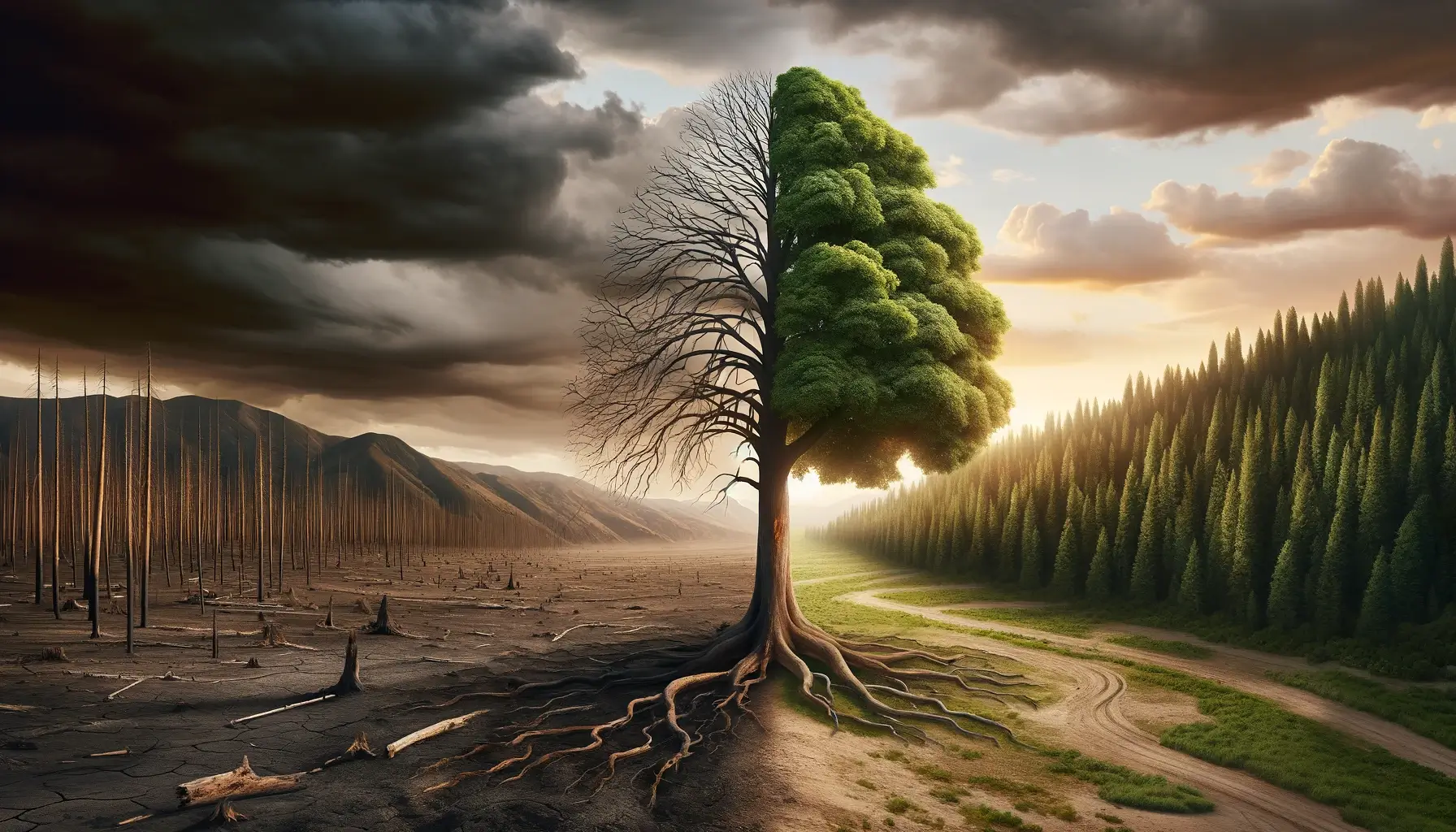
Deforestation has severe consequences on the environment, wildlife, and human societies. Some of the most significant consequences include:
- Climate Change: Deforestation contributes to climate change by releasing stored carbon dioxide and reducing the ability of forests to absorb carbon dioxide. This leads to global warming and its associated impacts, such as more frequent natural disasters, sea-level rise, and altered ecosystems.
- Soil Erosion: Trees help hold soil in place and prevent erosion. Without them, soil can be washed or blown away, leading to landslides, sedimentation in waterways, and reduced fertility.
- Loss of Biodiversity: Forests are home to a vast array of plant and animal species. Deforestation leads to habitat loss, fragmentation, and extinction, which can have cascading effects on ecosystems and the services they provide.
- Water Cycle Disruption: Forests play a crucial role in regulating the water cycle. Deforestation can disrupt this process, leading to changes in precipitation patterns, droughts, and floods.
- Increased Greenhouse Gases: Deforestation releases stored carbon into the atmosphere, contributing to the increase in greenhouse gases and climate change.
- Flooding: Deforestation can lead to increased flooding by reducing the ability of forests to absorb and filter water, and by altering the natural flow of rivers and streams.
- Drought: Deforestation can also lead to droughts by altering the local climate and reducing the ability of forests to provide shade and maintain soil moisture.
- Loss of Medicinal Plants: Forests are a rich source of medicinal plants, and deforestation can lead to the loss of these valuable resources.
- Indigenous Communities Displacement: Deforestation often affects indigenous communities, leading to displacement, cultural loss, and social disruption.
- Economic Consequences: Deforestation can have significant economic consequences, including the loss of livelihoods, reduced tourism, and decreased economic stability.
Prompt
Create a realistic photo-quality 16:9 image depicting the impact of climate change on a single tree, which serves as the central focal point. The tree is split down the middle: the left side of the tree is scorched and dead, representing the harsh effects of climate change, against a barren desert background.
The right side of the tree is healthy and flourishing, set against a lush green forest landscape, representing a thriving ecosystem. This stark contrast visually conveys the impact of environmental conditions on forest life, focusing solely on the vegetation without any animals or birds. The image should capture the urgency of addressing climate change.